

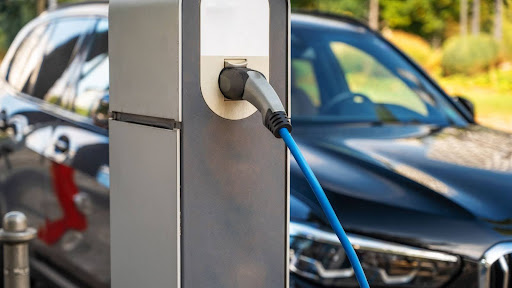
A quiet but significant reshaping of American consumer preferences is underway at gas stations across the country. With national fuel prices averaging $3.90 per gallon — their highest in nearly three years — increasing numbers of drivers are going online to research electric vehicles. CarEdge, a car-buying platform, has documented a 20 percent rise in EV-related searches since the start of the Iran conflict three weeks ago.
The conflict is the underlying cause of the current fuel price spike. US and Israeli military strikes on Iran triggered an Iranian response: the closure of the Strait of Hormuz, a vital maritime corridor through which approximately 20 percent of the world’s oil supply flows. The disruption of that supply has caused a significant upward movement in global crude oil prices, the effects of which have been passed on to American consumers.
Justin Fischer, an automotive analyst at CarEdge, observed that EV interest spiked almost immediately following news of the military strikes. He framed the surge as a direct behavioral response to price signals, and suggested that extended high prices could create an even more pronounced shift in consumer interest. Edmunds’ head of insights, Jessica Caldwell, emphasized that gasoline is particularly effective at focusing the consumer mind because every fill-up is a fresh reminder of its cost.
Used electric vehicles are attracting significant attention during this period. The pre-owned EV market now features options from Tesla, Nissan, and General Motors at prices below $25,000, a meaningful development for buyers who were previously shut out of the electric vehicle market by cost. Caldwell noted that the quality and affordability of today’s used EVs represents a genuine opportunity for consumers looking to reduce fuel dependency.
Hybrid models, combining gasoline engines with electric motors to deliver improved efficiency, are also expected to capture growing consumer interest. Toyota’s Camry and RAV4 hybrids are among the vehicles analysts believe will see strong sales if gas prices remain elevated. The longer-term outlook for full EV adoption in the US, however, is complicated by policy reversals and automaker retreats — even as the global market continues its rapid shift toward electrification.
