
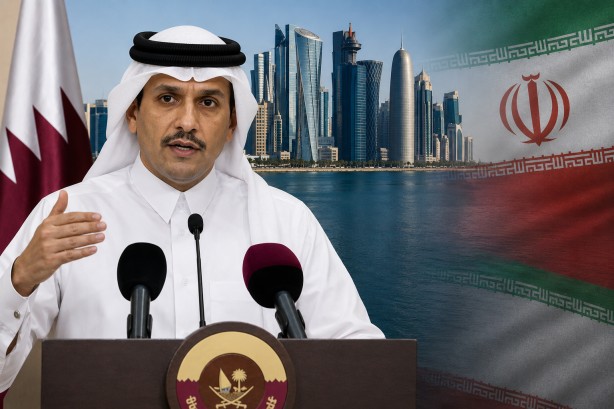
Efforts to resolve tensions between the United States and Iran are reportedly advancing, with Qatar indicating significant progress in its mediation role. This development has sparked hope for a diplomatic resolution, potentially calming the global energy markets. Qatari officials have revealed that Emir Sheikh Tamim bin Hamad Al Thani engaged in discussions with U.S. President Donald Trump, focusing on mediation strategies aimed at easing hostilities and fostering dialogue for a lasting settlement.
Qatar, collaborating with Oman and Pakistan, is facilitating the exchange of proposals and communication between the U.S. and Iran. While President Trump has suggested that direct talks with Iran are underway, Tehran maintains that any discussions are solely through Oman, denying direct negotiations with Washington. This nuanced diplomatic effort underscores the complexity of the ongoing tensions and the strategic role of mediators in bridging the gap.
U.S. officials have expressed cautious optimism about the possibility of reopening the Strait of Hormuz, a critical conduit for global oil and liquefied natural gas exports. Despite the apparent diplomatic headway, talks remain incomplete, and no definitive agreement has been reached. The successful reopening of this vital shipping route is deemed crucial for restoring stability in the energy sector, which has been heavily impacted by the ongoing conflict.
Nevertheless, the region continues to grapple with security challenges. Maritime activity in the Strait of Hormuz is still significantly disrupted, largely due to recent attacks on commercial vessels, which underscore persistent threats to international trade. These incidents highlight the fragile nature of the current situation and the urgent need for a comprehensive resolution to safeguard maritime security.
The outcome of these mediation efforts is expected to significantly influence regional stability and reduce tensions in one of the world’s key energy corridors. As talks progress, the international community remains watchful, aware of the potential implications for global energy supplies and geopolitical dynamics.