
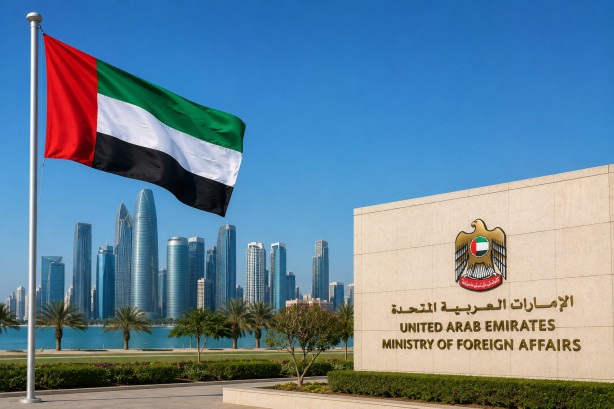
The United Arab Emirates’ diplomatic adviser, Anwar Gargash, has criticized Iran’s strategy of targeting Gulf states and Jordan, labeling it a failure. He has called for pragmatic and enduring political solutions to bring an end to the ongoing regional conflict. Gargash emphasized that the current state of “neither war nor peace” is unsustainable and urged for an immediate de-escalation of tensions. He also highlighted the importance of restoring normal navigation through the Strait of Hormuz, following renewed Iranian attacks on regional targets amid escalating tensions between the United States and Iran.
On August 31, the UAE Ministry of Defence reported intercepting an Iranian drone over its territorial waters. The ministry also refuted claims made by Iranian media that Al Minhad Air Base near Dubai had been struck by missiles, asserting that the facility continues to operate at a high state of readiness. Gargash stressed the necessity for any lasting resolution to address both the political and economic ramifications of the conflict. He criticized a previous memorandum of understanding for its failure to provide a practical and acceptable roadmap for resolving the crisis.
The Strait of Hormuz remains a focal point of the dispute, with ongoing disruptions to shipping threatening regional economies and global energy markets. Recent attacks and counterattacks have intensified the pressure on efforts to restore maritime traffic and reinvigorate diplomatic negotiations. Gargash’s remarks underscore the UAE’s commitment to reducing tensions and establishing a diplomatic framework aimed at restoring regional stability and ensuring the resumption of normal commercial navigation.
Gargash’s comments reflect the UAE’s strategic push for de-escalation, highlighting the critical need for a diplomatic approach to stabilize the region. By advocating for realistic solutions, the UAE aims to foster an environment where constructive dialogue can lead to a sustainable peace. The call for restoring navigation through the Strait of Hormuz is particularly significant, given its crucial role in regional and global trade.