
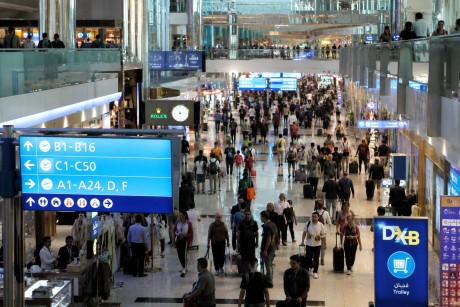
Dubai International Airport (DXB) projects it will maintain its status as the leading international airport globally, despite experiencing a notable drop in passenger numbers in the second quarter of 2026. This decline, attributed to regional conflict and subsequent flight disruptions, saw the airport handling 13 million passengers from April to June, a decrease from the 22.5 million recorded in the same period the previous year. Overall, the first half of the year saw passenger traffic fall to 31.5 million, marking a 31.3% reduction compared to last year.
Paul Griffiths, CEO of Dubai Airports, remains optimistic about a rebound in passenger traffic in the latter half of the year. His confidence is bolstered by the anticipated resumption of international airline services and the restoration of routes by major carriers such as Emirates and flydubai. Despite the setbacks, DXB aims to accommodate approximately 70 million passengers in 2026, a decrease from the 95.2 million served in the previous year. The airport’s ambitious goal of reaching 100 million passengers annually has been deferred to 2027.
Currently, Dubai International Airport has recovered to about 86% of its pre-conflict operational capacity. It is now serviced by 56 airlines, down from the 90 airlines that operated before the regional turmoil disrupted aviation activities. The airport is preparing for further recovery as the winter travel season approaches, expecting more international carriers to reinstate their flights.
Key markets for DXB continue to include India, Saudi Arabia, and the United Kingdom, which remain significant sources of passenger traffic. Dubai Airports is hopeful that the winter season will see a resurgence in travel, contributing to a stronger overall recovery for the year.